JPMorgan Chase CEO Jamie Dimon expressed reservations about potential economic policies under a second Trump administration, while signaling a willingness to consider their impact before drawing firm conclusions. Speaking at the World Economic Forum in Davos, Switzerland, Dimon emphasized the need to avoid "binary" outlooks on economic and foreign policy matters, even regarding proposals he viewed as potentially detrimental.
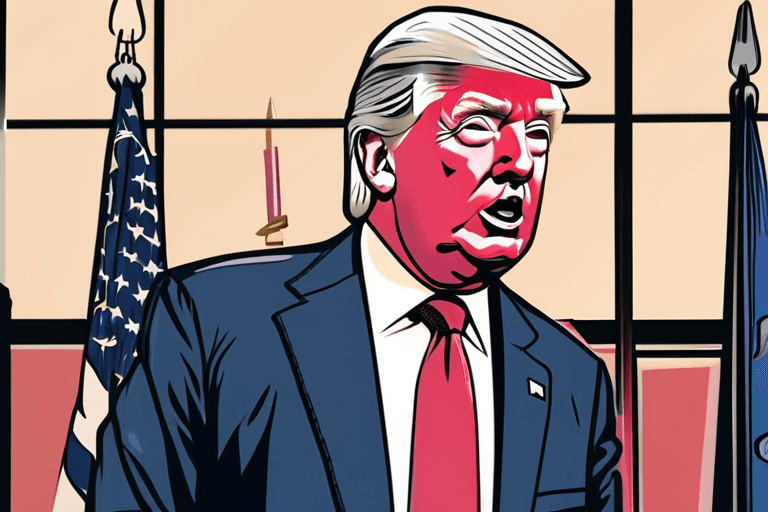
Dimon specifically cited President Trump's proposal to cap credit card interest rates at 10% as a policy he believes would be an "economic disaster." He argued such a cap would lead to the reduction of credit lines for 74% to 85% of Americans, according to a recent study by the American Bankers Association. This reduction in available credit could significantly impact consumer spending and overall economic activity.
Dimon's comments come amid broader uncertainty surrounding the potential economic agenda of a future Trump administration. While critics have voiced concerns about proposed tariff plans and trade practices, others argue these policies are necessary to correct unfair trade imbalances. Dimon positioned himself as seeking a middle ground, advocating for careful consideration of policy outcomes before making definitive judgments.
JPMorgan Chase, as one of the largest financial institutions in the United States, holds a significant stake in the stability and growth of the American economy. The company's performance is closely tied to consumer spending, business investment, and international trade, making it particularly sensitive to shifts in government policy. Dimon's remarks reflect the broader business community's attempt to navigate the complex and often unpredictable political landscape.
Looking ahead, Dimon suggested a willingness to experiment and assess the actual impact of proposed policies, even those initially viewed with skepticism. This approach underscores a cautious but pragmatic outlook, reflecting the challenges businesses face in planning for an uncertain future political and economic environment. The financial industry will be closely watching how these policies develop and the subsequent effects on the market.


















Discussion
Join the conversation
Be the first to comment